Astoria Typeface: Channeling the Coastal Vibrancy of the 80s
More Than Just a Retro Display Font
In a design landscape saturated with minimalist sans-serifs and delicate script fonts, there’s a growing appetite for type with personality, energy, and a story to tell. Enter Astoria, a striking retro display font that doesn’t just whisper a suggestion—it makes a bold, unapologetic statement. This isn't about dusty nostalgia; it's about capturing the audacious, sun-soaked spirit of the 1980s and channeling it into modern, high-impact design. Astoria embodies the iconic aesthetic of a Miami Vice sunset, a neon-lit coastline, and the confident swagger of an era defined by flair.
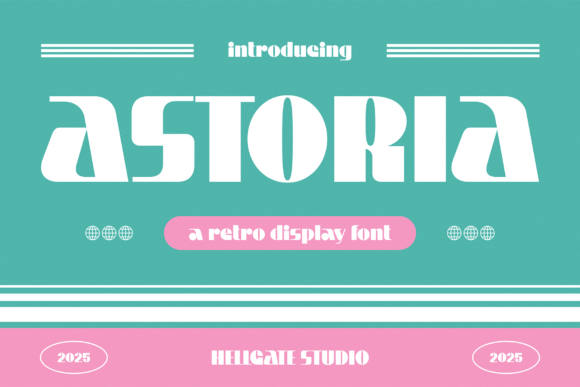
At its core, Astoria is a premium font package designed for moments that demand attention. Its visual character is defined by strong, geometric letterforms with a distinct retro flair. You’ll notice sharp, confident terminals and a balanced weight that commands space without overwhelming the page. The personality is vibrant, energetic, and unmistakably stylish. It’s the typographic equivalent of a pastel blazer with the sleeves rolled up—professional, but with a clear sense of fun and individuality. This makes it an exceptionally versatile tool for any designer or creator looking to inject a dose of retro cool into their work.
Where Astoria Truly Shines: Practical Applications
Understanding a font’s personality is one thing; knowing where to deploy it is where the real value lies. Astoria’s strength is as a display font, meaning it’s engineered for headlines, logos, and short bursts of impactful text. Its high legibility at larger sizes ensures your message is not only seen but felt.
For brand identity and logo design, Astoria is a natural fit for businesses aiming to project an image that’s both contemporary and rooted in a classic, confident aesthetic. Think boutique hotels, specialty cocktail bars, lifestyle brands, surf shops, or any startup that wants to stand apart with a creative font that tells a story. When paired with a clean, neutral sans serif font for body text, it creates a dynamic and professional font pairing that balances flair with readability.
In the realms of marketing and publishing, the applications are immediate and powerful. Use Astoria for:
- Editorial Design: Feature article headlines in magazines or digital publications that cover culture, travel, or design.
- Packaging Design: Product labels for craft spirits, artisanal foods, or retro-inspired merchandise where shelf appeal is critical.
- Social Media Graphics: Creating scroll-stopping posts, Instagram stories, and YouTube thumbnails that need to convey energy and style quickly.
- Web Design: Hero sections, landing page headlines, and call-to-action buttons where you want to make a memorable first impression.
Even for personal projects, like custom apparel, event posters for a themed party, or unique stationery, Astoria provides a level of polish and distinctiveness that generic system fonts simply cannot match. It’s a commercial font that offers real-world versatility for both professional and hobbyist creators.
Working with Astoria: A Designer's Perspective
Choosing a display font like Astoria is a strategic decision that influences several key aspects of your design. First and foremost is visual hierarchy. A strong headline set in Astoria immediately draws the eye, establishing a clear reading order and guiding your audience through the content. This is fundamental in everything from a website layout to a printed brochure.
Secondly, font choice directly impacts brand perception. Using Astoria signals that a brand is confident, style-aware, and perhaps a bit daring. It helps build brand recognition because its unique style is far more memorable than a common typeface. For a small business or entrepreneur, this can be a powerful differentiator in a crowded market.
When evaluating if Astoria is the right fit for your project, consider the following practical steps:
- Assess the Tone: Does your project benefit from a vibrant, retro, or bold personality? If you’re designing for a serious financial institution or a minimalist tech brand, it might not be the right match. For a lifestyle brand, creative agency, or entertainment venue, it could be perfect.
- Test Font Pairings: Never use a display font in isolation. Load Astoria into your design software and pair it with potential body text fonts. A geometric sans serif font like Futura or Montserrat often creates a harmonious contrast. For a different mood, a simple serif font could also work. The goal is balance.
- Check the Package: The Astoria font package includes OTF (OpenType) files, which are standard for professional use across both Mac and PC. This ensures compatibility and high-quality rendering across print and digital media. Reviewing the full character set is also wise to see what alternates or ligatures are available for added customization.
- Consider Readability: While highly legible at display sizes, avoid setting long paragraphs of body copy in any display font. Use Astoria for its intended purpose: to create impact in headlines, sub-heads, and short, punchy statements. This respects both the font’s design and your reader’s experience.
Ultimately, integrating a premium font like Astoria into your toolkit is an investment in quality and expression. It’s a design asset that empowers you to create modern typography with a distinctive voice, helping your projects—and your clients’ brands—resonate with clarity and unforgettable style. Whether you’re a seasoned designer or a passionate creator exploring new possibilities, Astoria offers a direct line to the vibrant, confident energy of a celebrated design era, ready to be reinterpreted for today’s visual landscape.