Fake Smile: A Graffiti Font with a Wink
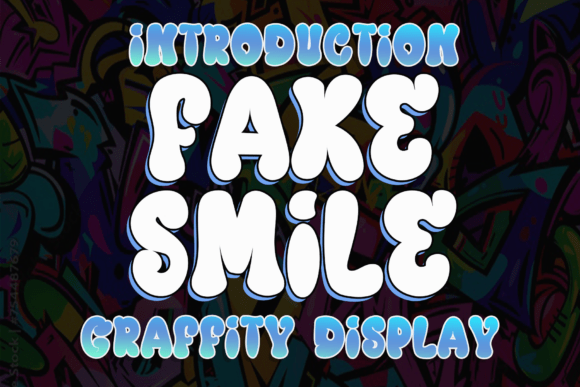
In a world saturated with polite, predictable typography, sometimes you need a font that breaks the mold with a grin. Fake Smile is precisely that—a premium font that doesn't just sit on the page; it performs. As a bold, bubbly graffiti display font, it's engineered to radiate playful defiance and urban attitude. Forget subtle; this is a typeface with inflated, rounded letterforms and a cartoon-like energy that feels like it was pulled straight from a vibrant, expressive piece of street art. The exaggerated curves and whimsical structure give it a satirical edge, perfect for when your design needs to communicate with a wink rather than a whisper.
The Anatomy of Attitude: Visual Characteristics
At first glance, Fake Smile is all about presence. Its letterforms are intentionally oversized, with soft, inflated edges that suggest a three-dimensional quality. This isn't a delicate serif font or a neutral sans serif font; it's a creative font built for impact. The whimsical, almost bouncy structure avoids rigid geometry, giving each character a sense of movement and personality. You'll notice the subtle inconsistencies that mimic the hand-painted quality of graffiti—the slight variations in stroke weight and the playful imperfections that make it feel authentically human. This visual language speaks directly to youthful rebellion, counterculture, and an expressive, unapologetic style. It’s the typographic equivalent of a colorful mural on a city wall, designed to turn heads and spark a reaction.
Where This Typeface Truly Shines: Ideal Applications
The strength of Fake Smile lies in its ability to command attention in large formats. It’s a quintessential display font, meaning it thrives when used for headlines, titles, and logos where clarity and character are paramount. Consider its natural habitats:
- Music & Entertainment Branding: Album covers, concert posters, and festival branding are perfect matches. The font's rebellious energy aligns with rock, punk, hip-hop, and indie genres, instantly setting a tone of authenticity and edge.
- Edgy Merchandise & Apparel: For t-shirt designs, skate decks, or streetwear logos, Fake Smile injects the kind of urban flair that resonates with audiences seeking individuality. It turns simple text into a visual statement piece.
- Pop Culture & Creative Titles: Book covers for young adult fiction, zines, podcast graphics, or YouTube thumbnails can leverage its bold personality to stand out in crowded feeds. It’s a font that communicates fun, irony, and a bit of rebellious spirit.
- Digital & Social Media Graphics: In the fast-scrolling world of social media, a bold web design element or a striking headline for an Instagram post can stop thumbs. Fake Smile ensures your key message isn't just read, but felt.
It’s less suited for body text in a novel or a corporate annual report, but that’s by design. Its job is to be the charismatic opening act, not the supporting cast.
Strategic Implementation: Beyond Just Looking Cool
Choosing a font like Fake Smile is a strategic decision that influences more than just aesthetics. It directly impacts visual hierarchy and audience engagement. When used as a headline, it draws the eye immediately, creating a clear focal point that guides the viewer through your layout. This is crucial in editorial design for magazine features or in packaging design where shelf appeal is everything.
Your choice of typeface is a core component of your brand identity. Selecting Fake Smile signals that your brand is approachable, creative, and doesn't take itself too seriously. It can make a small business or a personal project feel instantly more memorable and distinct. However, this power comes with responsibility. Overusing it can dilute its impact and make a design feel chaotic. The key is balance.
Practical Guidance for Designers and Creators
If you're considering integrating this commercial font into your toolkit, here’s how to approach it effectively:
- Evaluate Project Fit: Ask yourself if the project’s tone aligns with the font’s personality. Is the goal to be playful, rebellious, or satirical? If you're designing for a law firm or a medical practice, this is likely not the right typeface. For a new energy drink, a music festival, or a creative agency? It could be perfect.
- Master the Font Pairing: Fake Smile demands a quieter partner. Pair it with a clean, neutral sans serif font for body text to ensure readability. A simple geometric sans serif or a humanist sans can provide a calm, professional counterbalance, letting the headline's character shine without overwhelming the viewer. Avoid pairing it with other highly stylized fonts like a dramatic script font or an ornate handwritten font.
- Test for Readability: Always test your chosen words at the intended size. While its forms are clear, some complex letter combinations in a graffiti-style font can merge. Ensure your core message is legible at a glance, especially for critical information on posters or merchandise.
- Review the License & Styles: As a premium font, verify what’s included. Does it have multiple weights or styles? What are the specifics of the commercial font license for your intended use—web, print, merchandise? Understanding these details is part of professional workflow and ensures you're using a legitimate design asset.
In the end, Fake Smile is more than just a collection of glyphs; it's a tool for injecting personality and memorability into your projects. It’s for the designer who understands that sometimes, the most effective communication is done with a bold, colorful, and slightly ironic grin. Use it where it fits, pair it wisely, and it will transform your text from mere information into a vibrant visual experience.