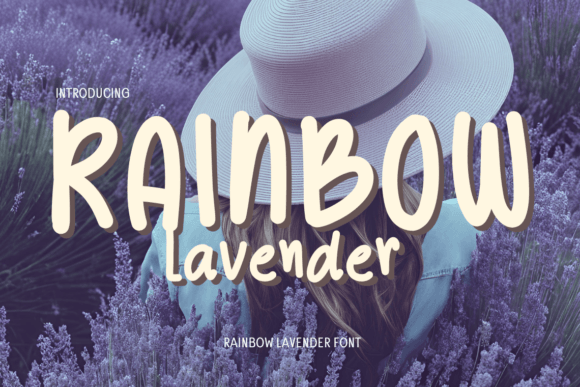
Rainbow Lavender: A Handwritten Script Font with Vibrant Grace
There's a specific feeling that comes with finding a typeface that just clicks. It's not just about legibility or style; it's about personality. When I first encountered the Rainbow Lavender handwritten script font, it evoked that feeling immediately. This isn't another generic calligraphy font. It's a carefully crafted design asset that balances authentic, flowing strokes with a clear, vibrant energy. For designers, entrepreneurs, and creators, it represents a tool to inject a genuine, personal touch into projects that might otherwise feel sterile or mass-produced.
The Visual Character: More Than Just a Pretty Script
At its core, Rainbow Lavender is a script font, but its character is distinctly modern. The letterforms feature fluid, continuous strokes that mimic the natural rhythm of hand-lettering. You can see the subtle variation in line weight, a hallmark of a quality handwritten font, which adds depth and prevents the flat, mechanical look of many digital scripts. The connections between letters are thoughtfully designed, allowing for a smooth flow without sacrificing the readability of individual characters. Its personality strikes a balance: it's elegant enough for formal applications like wedding invitations, yet carries a whimsical, approachable charm that works beautifully for lifestyle brands and creative content. This versatility makes it a valuable piece in any designer's toolkit, sitting comfortably alongside more traditional serif fonts and clean sans serif fonts.
Where Rainbow Lavender Truly Shines: Practical Applications
The true test of any premium font is its application across diverse projects. Rainbow Lavender excels in scenarios where you need to establish a human connection. Consider its role in brand identity for a boutique bakery, a handmade jewelry line, or a wellness coach. The font becomes the voice of the brand—warm, trustworthy, and personal. It's equally powerful in editorial design, such as magazine pull-quotes or book chapter headings, where it adds a touch of artistry without overwhelming the body text.
For digital creators, it's a standout for social media graphics. A compelling quote overlay on an Instagram image or a stylish header for a Pinterest pin using Rainbow Lavender can significantly increase visual appeal and engagement. In packaging design, it can elevate product labels for artisanal goods, conveying craftsmanship and care. Even in web design, used sparingly for headlines or call-to-action buttons, it can guide the user's eye and soften a digital interface. The key is intentional use; it's a display font meant for impact, not for setting long paragraphs of body copy.
Strategic Typography: Influence on Perception and Engagement
Choosing a typeface like Rainbow Lavender is a strategic decision that influences how your audience perceives your message. In logo design, the font can instantly communicate a brand's values—creativity, warmth, and approachability. This directly impacts brand recognition; a unique font choice helps a logo stand out in a crowded marketplace. When used consistently across marketing materials, from email headers to PDF guides, it builds a cohesive and professional brand identity that fosters trust.
However, this influence hinges on readability and visual hierarchy. Rainbow Lavender's flowing style works best at larger sizes, such as in headings or pull quotes. For body text, pairing it with a highly legible sans serif font or a classic serif font is crucial. This creates a clear hierarchy: Rainbow Lavender draws attention and sets the tone, while the paired font ensures your core message is easily consumed. This thoughtful font pairing is what separates amateur design from professional work, ensuring your content is both beautiful and functional.
A Practical Guide to Using This Creative Font
Before integrating Rainbow Lavender into a project, a practical evaluation is essential. First, assess the project's tone. Is it celebratory, heartfelt, elegant, or playful? The font's inherent personality should align with your message. Next, test it in context. Don't just look at the alphabet in a font viewer; set your actual headlines, taglines, or logo wordmark. Examine the letter spacing and ensure the connections between certain letter combinations (like 'bl' or 'ty') are smooth and legible.
Review the font's included styles. A robust creative font often includes alternates, ligatures, and stylistic sets. These features allow you to customize the look, perhaps swapping out a particular 'a' or 'g' for a different form to better fit your design. For commercial projects, always verify the commercial font license. Ensure it covers your intended use, whether for digital products, physical merchandise, or client work. Finally, the best practice is to use it as a highlight. Let Rainbow Lavender be the star of your typography for key elements, supported by simpler, more neutral typefaces for clarity. This approach harnesses its vibrant essence without compromising the professionalism and readability of your overall design.