Simple Comic 2: Injecting Playful Energy into Your Visuals
In the crowded landscape of modern typography, finding a typeface that communicates pure, unadulterated joy can be a challenge. As a designer or content creator, you often need a font that bypasses complexity and speaks directly to the viewer’s emotions. This is exactly where Simple Comic 2 enters the conversation. It is not just another display font; it is a specialized tool engineered specifically for clarity and cheerfulness. If your goal is to create media that feels lighthearted, approachable, and fun, understanding the mechanics and applications of this typeface is essential for your design toolkit.
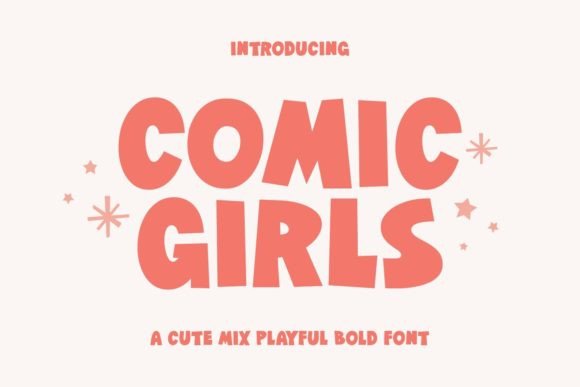
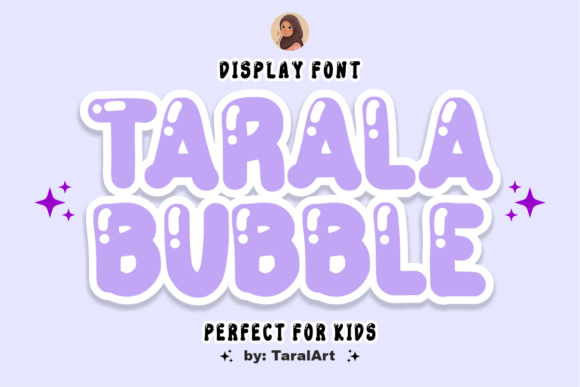
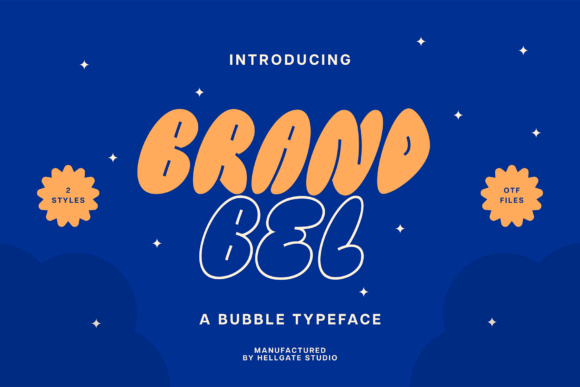
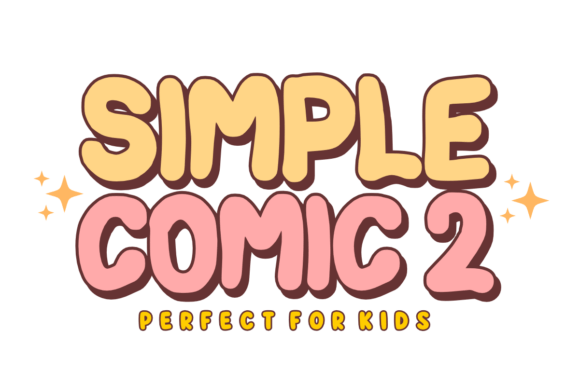
At its core, Simple Comic 2 is a premium font that draws inspiration from the classic cartoon aesthetic but polishes it for contemporary use. Unlike older comic book fonts that can sometimes feel jagged or difficult to read, this typeface features heavy, rounded, bubble-like letterforms. The contours are incredibly smooth, offering a clean finish that mimics the look of high-quality vector animation. The personality of the font is defined by a consistent, joyful bounce in the letter spacing and baseline, which naturally guides the eye across the page. This isn't a heavy, aggressive font; it is soft, glossy, and welcoming. It manages to capture the nostalgia of Sunday morning cartoons while maintaining the crispness required for high-resolution digital screens and modern print standards.
Visual Characteristics and Design Aesthetics
When you look at Simple Comic 2, the first thing you notice is its weight. The letterforms are substantial, occupying significant visual real estate. This heavy weight makes it an excellent choice for headlines and branding elements where you need immediate impact. The "bubble" aesthetic is achieved through perfectly rounded corners and consistent stroke widths, avoiding the harsh angles found in many sans serif fonts. This roundedness is psychologically associated with safety and friendliness, making it a powerful asset for projects targeting children or families.
The visual appeal of Simple Comic 2 is further enhanced by its rendering potential. The font is designed to look its best when paired with a simple two-tone color scheme. Because the shapes are so smooth and open, they act as perfect vessels for color gradients or solid fills. A popular technique among designers is to apply a subtle offset or drop shadow to the text. Because the letterforms are so distinct, this shadow creates a clean, glossy, and friendly 3D effect that pops off the screen. This capability transforms the text from mere words into a graphic element or a logo design component. It possesses an unpretentious structure that prioritizes immediate recognition, ensuring that your message is delivered with maximum positivity regardless of the background complexity.
Strategic Applications: Where Simple Comic 2 Shines
Understanding the visual style of Simple Comic 2 is only half the battle; knowing where to deploy it is where strategy comes into play. This is a versatile creative font, but it excels in specific niches. For entrepreneurs and small business owners, this typeface is a secret weapon for packaging design. Imagine a toy package, a box of children’s cereal, or a line of playful stationery. The font immediately signals to the consumer that the product is fun, safe, and designed for enjoyment. It bridges the gap between professional branding and playful aesthetics.
In the realm of digital marketing and social media graphics, Simple Comic 2 is incredibly effective. Social feeds are fast-paced; you have milliseconds to stop a user from scrolling. The bold, bouncy nature of this display font captures attention instantly. It works exceptionally well for Instagram stories, YouTube thumbnails, and blog headers focused on parenting, education, or entertainment. Furthermore, for content creators involved in animation or video editing, this font serves as an ideal choice for title cards and lower thirds, maintaining readability even during fast motion.
For those in publishing and editorial design, Simple Comic 2 is not meant for body text, but it is a champion for chapter titles, pull quotes, and cover art, particularly in middle-grade fiction or activity books. Its structure is distinct enough to establish a strong visual hierarchy, separating headers from the body copy (which should typically be a clean serif or sans serif font). It also finds a home in personal projects, such as custom children’s name art, birthday invitations, and scrapbooking. Its approachable nature ensures that even non-designers can use it to create professional-looking materials without extensive training.
Readability, Pairing, and Brand Perception
One of the most critical aspects of choosing a font is how it influences readability and brand perception. Simple Comic 2 is engineered for high legibility at medium to large sizes. The open counters (the spaces inside letters like 'o', 'e', and 'a') are wide, preventing the letters from looking muddy when printed or viewed on mobile devices. However, because it is a display font, it is not suitable for long paragraphs of small text. Using it for extended reading would fatigue the viewer. Instead, use it to establish hierarchy. Let it shout the headlines while a neutral serif font whispers the details.
When it comes to font pairing, Simple Comic 2 plays well with others, provided you respect its personality. Because it is loud and playful, it needs a quiet partner. A geometric sans serif font works beautifully for subtitles or body text, offering a modern typography feel that grounds the whimsy of the comic style. Alternatively, a simple, legible handwritten font could be used for accents, though you should be careful not to mix too many "decorative" styles, which can make a design look chaotic. The goal is to create a brand identity that feels cohesive. If your brand voice is energetic and youthful, Simple Comic 2 anchors that identity, while your secondary font handles the informational heavy lifting.
Practical Guidance for Designers and Creators
Before integrating Simple Comic 2 into your next project, a few practical considerations will ensure success. First, always test your font pairings in context. A font that looks great on a white background might struggle on a busy photograph. Because Simple Comic 2 has heavy strokes, it maintains contrast well, but adding an outline or a subtle drop shadow can help it stand out on complex backgrounds.
Second, review the commercial licensing. If you are using this for client work, merchandise (like t-shirts or mugs), or digital products for sale, you must ensure your license covers commercial use. Most premium fonts come with clear licensing tiers, so verify that your purchase matches your distribution scope. Third, explore the included styles. While the standard "regular" weight is the star of the show, check for variations like bold or italic if they are available, as these can help you fine-tune your emphasis without breaking the visual flow.
Finally, evaluate the project fit. Ask yourself: Does this project require a serious, corporate tone? If the answer is yes, Simple Comic 2 is likely the wrong choice. However, if the goal is to evoke smiles, ease, and approachability, there are few design assets that perform as reliably as this typeface. It is a specialized tool, but within its niche, it is unmatched. By using Simple Comic 2 thoughtfully, you ensure that your visual communication is not just seen, but felt, delivering a message of positivity and clarity to your audience.