Sugar: Injecting Vibrant Energy into Your Designs
When you first encounter Sugar, it’s less like seeing a new font and more like meeting a person with an infectious, high-energy personality. This isn’t a quiet, background player. Sugar is a trailblazing typeface that bursts onto the creative scene with a dynamic, almost pulsating rhythm. It’s designed for moments when you need your work to stop people in their tracks, to communicate not just a word, but a feeling of vibrant, unapologetic energy. Think of it as the visual equivalent of a perfect pop song—catchy, bold, and impossible to ignore.
Understanding Sugar's Visual Personality
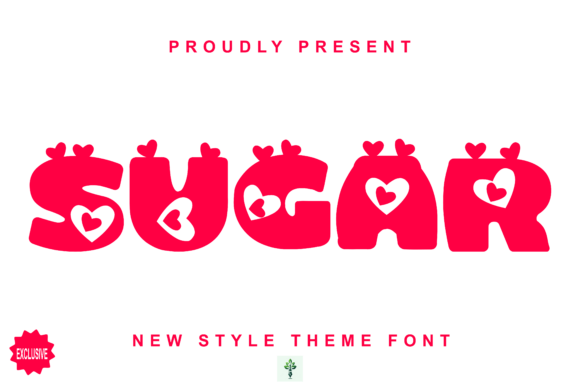
At its core, Sugar is a premium display font. This means its primary strength lies in headlines, logos, and short, impactful text blocks where character and style take precedence over long-form readability. Its design is a masterclass in controlled chaos. You’ll notice fluid, almost hand-drawn strokes that give it a script font or handwritten font feel, but with a precision and consistency that elevates it beyond casual scrawl. The letters often feature unexpected swashes, bouncy baselines, and a sense of movement that makes static words feel alive.
The personality of Sugar is decidedly modern, confident, and playful. It avoids the stiffness of traditional serif fonts and the neutrality of many sans serif fonts. Instead, it carves its own space, offering a creative font solution that feels fresh and contemporary. Its appeal is in its ability to add instant depth and dimension, making it a standout choice for projects that aim to be memorable and emotionally engaging.
Where Sugar Truly Shines: Practical Applications
Knowing a font’s personality is one thing; understanding where to deploy it is where real value lies. Sugar’s bold nature makes it ideal for specific, high-impact applications. It excels in logo design, where it can become the cornerstone of a brand’s visual identity, especially for businesses targeting a youthful, energetic, or creative audience. Imagine a boutique juice bar, a trendy apparel line, or a dynamic fitness brand—Sugar could be the perfect typographic ambassador.
In editorial design, think of it for magazine cover headlines, chapter titles in a bold cookbook, or feature article headers that need to grab attention on a busy page. For packaging design, it can make products leap off the shelf, particularly for items like artisanal snacks, cosmetics, or beverages that want to convey fun and flair. Its presence in social media graphics is almost a given; a well-chosen word in Sugar can stop the scroll, making it a valuable asset for marketers and content creators crafting Instagram stories, YouTube thumbnails, or Pinterest pins.
Making Sugar Work for Your Brand
Integrating a font with such a strong character into a project requires a thoughtful approach. It’s not a workhorse for body text. Instead, view Sugar as your secret weapon for creating a powerful visual hierarchy. Use it for the main headline or a key call-to-action, and pair it with a cleaner, more neutral typeface for supporting text. This contrast ensures your message is both striking and legible.
When evaluating if Sugar is the right fit, consider your audience and the emotion you wish to evoke. Does your project need a dose of optimism and dynamism? If so, it’s a strong candidate. Before committing, always test it with your actual content. Does the word or phrase look balanced? Do the stylistic swashes interfere with clarity? Check the included styles; many premium fonts like Sugar come with alternates, ligatures, or multiple weights that can fine-tune your design.
From a practical standpoint, always verify the licensing. If you’re using it for a client’s brand identity or on commercial merchandise, you’ll need the appropriate commercial font license. This is a standard part of professional design assets management. By treating Sugar not as a generic tool but as a specialized component of your brand identity toolkit, you can harness its unique energy to create designs that are not only beautiful but also strategically effective, fostering recognition and genuine audience engagement.