Leopard Safari: A Typeface with Untamed Elegance
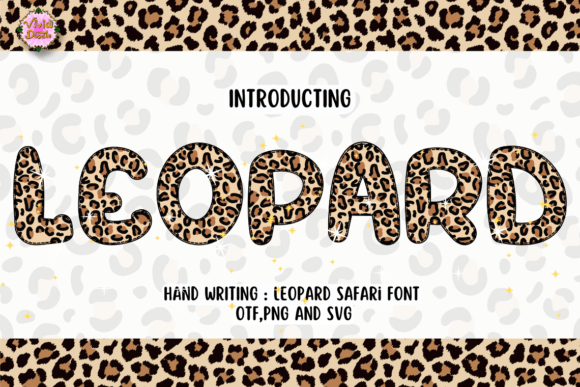
Finding a typeface that genuinely captures a specific mood can be a challenge. You want something with character, a font that tells a story before a single word is fully read. The Leopard Safari font is a prime example of a premium font that does exactly this. It’s not just a collection of letters; it’s a visual concept. This artistic typeface embodies the sleek, powerful grace of leopards, with each character meticulously crafted to reflect their distinctive spots and fluid movement. It’s a design asset built for projects that demand a touch of safari-inspired elegance and wild sophistication.
Where the Wild Spirit Meets Modern Design
The true strength of a creative font like Leopard Safari lies in its versatility across different creative fields. Its personality is bold and captivating, making it a natural fit for projects where you want to make an immediate visual impact. Think of it as a display font—its intricate details are designed to shine at larger sizes, where its unique character can be fully appreciated.
For designers and entrepreneurs, this commercial font offers a distinct voice. In logo design, it can help a brand in the fashion, adventure, or luxury goods space establish an unforgettable identity. Imagine it on a boutique clothing tag or the header of an outdoor gear company’s website. Its presence is immediate and memorable. In packaging design, it can elevate a product from ordinary to artisanal, suggesting quality and a connection to the natural world.
Marketers and content creators will find numerous applications. The Leopard Safari font is perfect for creating standout social media graphics, particularly for posts promoting travel, wildlife conservation, or exotic destinations. It can transform a simple announcement into an event poster with a life of its own. For bloggers and publishers, using this typeface for chapter titles or pull quotes in editorial design can add a layer of visual interest that breaks the monotony of standard text, guiding the reader’s eye and enhancing the overall reading experience.
Practical Considerations for Your Creative Projects
While its aesthetic is undeniably wild, incorporating the Leopard Safari font into your work requires a thoughtful approach. As with any distinctive display font, context is everything. Its detailed nature means it’s not suited for body text. Long paragraphs set in this typeface would compromise readability. Instead, use it for headlines, titles, logos, and short, impactful phrases where its personality can be the hero.
A key principle in modern typography is creating a strong visual hierarchy. Pair Leopard Safari with a clean, simple sans serif font or a classic serif font for your body copy. This contrast allows the headline to grab attention while ensuring the supporting text remains clear and easy to read. For example, a bold Leopard Safari heading paired with a neutral font like Lato or Garamond creates a balanced and professional layout. Avoid pairing it with another highly decorative script font or handwritten font, as this can create visual clutter and confuse the message.
Before committing to the font for a project, take the time to test it. Type out your specific headline or brand name to see how the letters interact. Pay attention to the spacing and flow. Does it convey the exact mood you’re aiming for? This step is crucial for any brand identity work, where consistency and recognition are paramount.
Technical Details and Licensing for Creators
Understanding the technical specifications of a font is just as important as its visual appeal. The Leopard Safari font is available in different versions to suit your workflow. It’s essential to know the compatibility differences to avoid frustration down the line.
The black version of the font is a standard vector file that works seamlessly with a wide range of software. This version is fully compatible with popular cutting machines like Cricut and Silhouette, making it an excellent choice for crafters, hobbyists, and small business owners creating physical products like decals, apparel, or signs using Cricut Design Space.
The color version of the font, which includes the vibrant, spotted texture, is a more specialized file. It is designed for use in advanced design programs that support colored fonts, such as Adobe Photoshop, Adobe Illustrator, Silhouette Studio Designer Edition, and Inkscape. It is important to note that the OTF and TTF files for the color version are not compatible with Cricut Design Space. For anyone new to working with this type of font, a comprehensive guide can be an invaluable resource for understanding how to best utilize these advanced design assets.
Finally, always review the licensing for any commercial font. Ensure the license covers your intended use, whether it’s for a client project, products for sale, or personal branding. A clear understanding of the terms protects both you and the font’s creator, allowing you to use this powerful typeface with confidence on your next safari-inspired masterpiece.